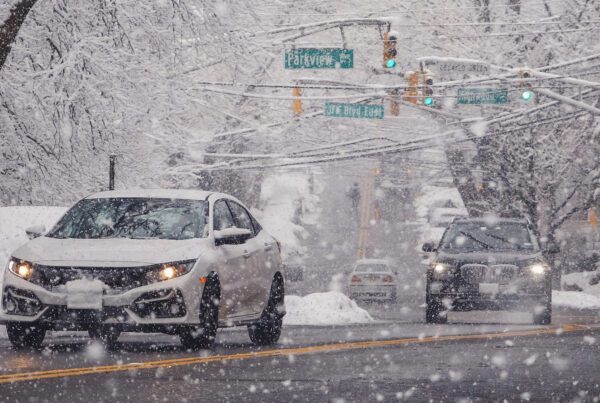
Comprehensive Insurance and Collision Insurance are optional coverages that can be added to your vehicle insurance policy in Pennsylvania and New Jersey. Both of these auto insurance options pay for physical damage to your vehicle, but they each cover different types of events.
Collision insurance is for impact events like hitting another car or a fixed object, or rolling the car over during a crash. Comprehensive insurance covers damage from non-impact events such as theft, falling objects, weather or flooding, and animal strikes. In both cases, the policy will pay for damages up to the car’s actual cash value (ACV) after you pay the deductible.
Collision and comprehensive policies are valuable coverages for some car owners, but they are not the right fit for everyone. It is always best to speak with a knowledgeable insurance agent about your specific circumstances before changing your auto insurance coverage.
What is Collision Insurance and What Does it Cover?
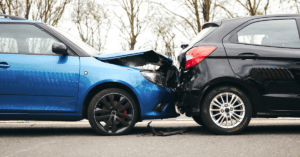 Collision insurance pays for damage to your vehicle when it is involved in a physical impact, regardless of who is at fault. Essentially, this insurance helps you get your car fixed, or it pays the cash value of a totaled car so that you can get back on the road as quickly as possible.
Physical impact is a specific term for collision coverage. It includes:
-
Collision with another vehicle
-
Running into a fixed object such as a guardrail, fence, tree, light pole, or building
-
Single-vehicle accidents with impact damage from rolling the car over or hitting a pothole
Collision insurance only covers your own car. If someone else’s car or property sustains damage, and they file a claim against your insurance, your liability coverage will pay those expenses.
What is Comprehensive Insurance and What Does it Cover?
Comprehensive insurance involves non-impact damage, incidents that can be classified as acts of nature, and damage caused by a third party. The difference between this insurance and collision insurance is that you do not need to be operating the vehicle when the damage-causing incident occurs.
Damage covered by comprehensive coverage includes:
-
Fire, explosions, or glass damage like a cracked windshield
-
Severe weather damage from hail, windstorms, falling branches, or severe flooding
-
Animal strikes like hitting a deer or a bird
-
While this type of incident usually does involve a collision while you are operating the vehicle, it is considered an act of nature rather than an impact collision.
-
-
Theft, attempted break-ins, and vandalism
If the damage to your car is caused by a third party, always file a police report in addition to filing your insurance claim. Weather and animal events usually do not need a police report, but it is important to take clear pictures of the damage and any additional evidence.
What is Other Than Collision (OTC) Coverage?
Comprehensive coverage is also sometimes called “Other Than Collision” coverage. That’s the wording you may see on your actual insurance policy, but “comprehensive” is still commonly used when talking about this type of coverage.
How do Deductibles and Car Values Affect Your Payout?
Both collision and comprehensive insurance coverages pay up to the Actual Cash Value (ACV) of your car at the time of the loss, minus the deductible. When the cost of repairing the car exceeds the car’s current cash value, the insurance company will declare the car to be totaled.
Deductibles vary by policy and premium, but they are most commonly either $1,000 or $500. Many drivers choose $1,000 for their collision deductible and either $250 or $500 for their comprehensive deductible so that they have less to pay out for common incidents like a crack in the windshield. It’s important to note that these deductibles are applied separately.
The formula for determining how much the insurance policy pays for a claim is:
Actual Cash Value of the Car – Deductible = Maximum Payout
The car’s value can be found at Kelley Blue Book, which is a research company that provides pricing data for all types of vehicles. It is a good idea to review your car’s ACV with your insurance agent every year to make sure that your premiums are in line with what the car is currently worth.
When Should You Drop Collision or Comprehensive Insurance?
Carrying collision and comprehensive coverage on your car insurance is not required by state law in Pennsylvania or New Jersey. But this does not mean that the coverage is always optional. If you lease your car, or the car is financed, then the lender typically requires full coverage for physical damage.
Once your car is paid off, dropping collision and comprehensive coverage becomes a mathematical decision. If the total annual premiums are more than 10% of the car’s actual cash value, the policy might not be offering meaningful financial protection any longer. The money spent on premiums may serve you better in an emergency savings fund that would cover the cost of repairs or a down payment to replace a totaled car.
Financial risk is different for everyone, and it is part of your insurance agent’s role to help you determine whether collision and comprehensive coverage are right for your car, driving routine, and budget.
Explore Your Options for Auto Insurance with a Trusted Independent Agency
Freedom Insurance Group works closely with PA and NJ drivers to identify their individual insurance needs. As an independent agency, we have the flexibility to research multiple carrier options for auto, collision, and comprehensive policies for our clients. Our goal is to listen closely to our clients so that we fully understand their priorities and risk tolerance before we recommend the coverage options that work for them.
If you would like to learn more about collision and comprehensive insurance, and how it might add to your auto insurance coverage, simply give our team a call or complete our online form to have one of our agents reach out to you. We are looking forward to supporting your vehicle insurance needs.
Frequently Asked Questions About Auto Coverage
Is comprehensive or collision insurance required by state law in PA or NJ?
No. Neither Pennsylvania nor New Jersey state laws require drivers to purchase comprehensive or collision insurance. States only mandate liability coverage (and PIP/medical payments in NJ). However, if you lease or finance your car, your lender or leasing company will require both until your balance is fully paid off.
Does collision or comprehensive cover damage to another person’s car?
No. Both comprehensive and collision cover physical damage to your own vehicle only. If you cause an accident that damages someone else’s car or property, that expense is paid out through your Property Damage Liability coverage.
Which coverage pays out if I hit a deer in Pennsylvania or New Jersey?
Hitting an animal, such as a deer, is covered under comprehensive (also known as Other Than Collision coverage) insurance, not collision. Because animal strikes are classified as unpredictable natural events rather than driver-impact collisions, your comprehensive deductible will apply.